

 english@jwbeauty.net
 Whatsapp
JW Plastic Surgery
What is Breast Revision Surgery?
Breast revision surgery is performed when the results after breast augmentation, breast reduction, breast lift, or breast reconstruction are unsatisfactory or when there are complications.
01
When the breasts become hard due to capsular contracture
02
When the implant is positioned incorrectly
03
When the breasts become asymmetrical after surgery
04
When breast tissue thinning occurs (rippling)
05
When the shape or size of the breasts after surgery is unsatisfactory
06
When the implant is deformed or damaged
07
When severe scarring happens
JW BREAST SURGERY
Types of Breast Revision Surgery
First
Capsular Contracture (Capsular Hardening)
When the capsule (a layer of tissue) around the implant becomes excessively thick,
it causes the shape and feel of the breast to become unnatural.
This condition is called capsular contracture,
and when it becomes severe, it is referred to as capsular hardening
Surgical method
- Capsulotomy: Applicable with mild capsular contracture
- Capsulectomy: Applicable with severe capsular hardening
- Changing the implant plane : The existing pocket is closed, and a new pocket is created in a different plane to insert a new implant
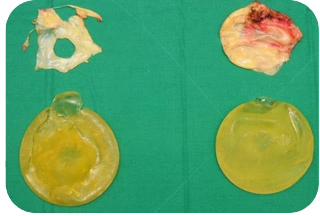
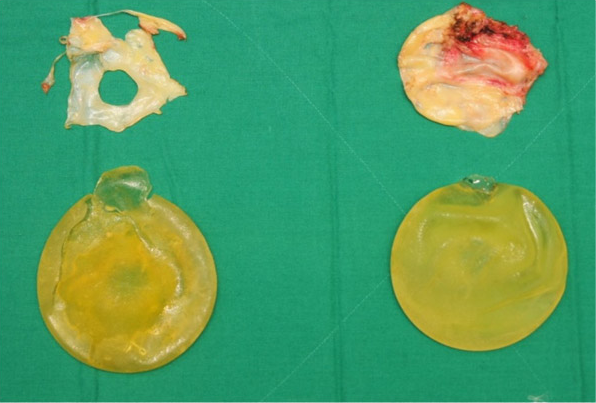
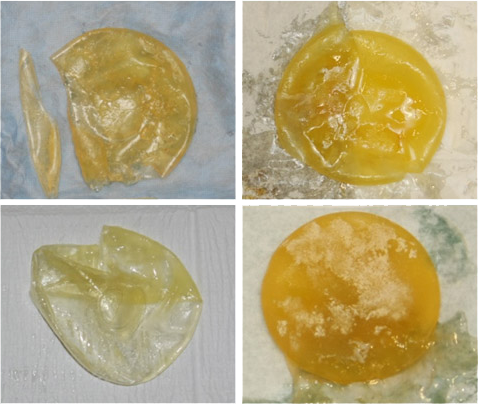
Removed capsule and implant
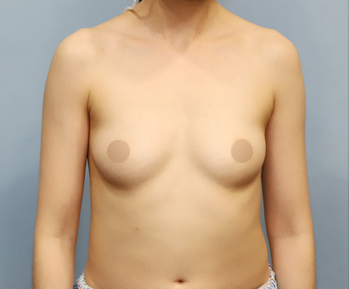
Before Surgery
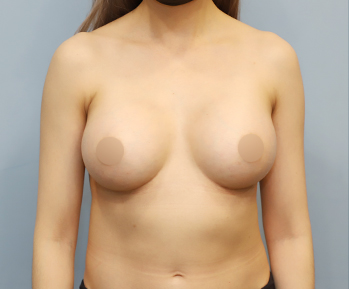
After surgery
Second
Implant Malposition
This occurs when capsular hardening develops or when the pocket of the implant was not properly dissected during surgery. In some cases, improper postoperative care can also lead to the implant shifting from its intended position. Types of Implant Malposition

Types of Implant Malposition
- When the implant moves too high up, creating an upper pole bulge
- When the implant moves too low, causing the upper breast to look sunken
- When the implant moves too far downwards, creating a double inframammary fold : Double bubble phenomenon
- When the implants move too close to each other , making the breasts join at the center of the chest : Symmastia
- When the implants move too far outward, making the breasts look far apart with no cleavage
Surgical method
- Capsulotomy: Expands the pocket space
- Capsulectomy: Corrects implant misplacement caused by capsular hardening
- Changing the Implant Plane : Creates a new pocket space in a new plane ensuring correct positioning, to then insert a new implant
- Pocket Closure: : Narrowing the pocket by suturing the excessive space
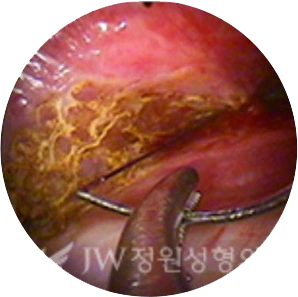
Pocket closure using 4K UHD endoscopy
Before Surgery
3 months post-surgery
Third
Asymmetry
Cause 1.
When capsular contracture or implant malposition occurs on only one side, or on both sides but to different degrees
Cause 2.
When there were differences in breast size, shape, or sagging before surgery, or chest wall asymmetry, which were not properly corrected during the first procedure
Surgical method
- Correcting capsular contracture
- Correcting implant malposition
- Using different implants for each side if needed
- Performing mastopexy (breast lift) to correct asymmetry due to sagging
- Using fat grafting to improve shape or correct chest wall asymmetry Removal of contracted capsule
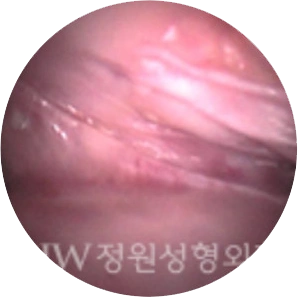
Removal of contracted capsule
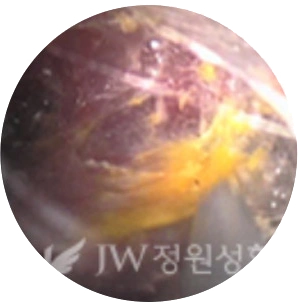
Clean appearance after removal
Before Surgery
After surgery
fourth
Tissue Thinning (Rippling Phenomenon)
Cause 1.
In patients with naturally thin skin tissue, inserting an implant can stretch the tissue, making it even thinner.
Cause 2.
When a too large implant is used, excessive stretching and pressure can cause significant tissue thinning.
Prevention 1.
Avoid using implants that are too large for the patient’s body.
Prevention 2.
Perform a combination breast augmentation increasing tissue thickness with fat grafting while enlarging the breast with an implant.
Surgical method
- Fat grafting
- Artificial dermis graft
- Create a new implant pocket in a deeper layer and insert a new implant
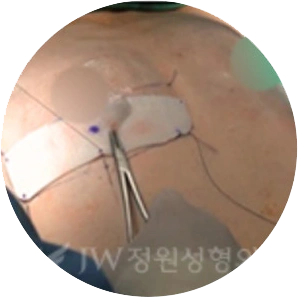
Artificial dermis graft

Fifth
Dissatisfaction with Size
- Revision surgery is performed using a carefully selected implant to achieve the desired breast size.
- If necessary, the existing pocket is either expanded or reduced to fit the new implant.
Sixth
Implant Rupture
The ruptured implant is completely removed, and a new, durable, and safe implant is inserted. If the capsule is in poor condition, a capsulectomy is also performed. At JW Plastic Surgery, revision surgery can also be performed through the armpit incision. Usually breast revision surgery is performed through an areolar incision or an inframammary fold incision.
However, based on Director Seol Chul Hwan extensive experience in endoscopic surgery, Dr. Seul developed the world’s first endoscopic transaxillary revision technique, which has been presented at several international conferences and highly praised by medical professionals.
(Patients who had their first surgery through an areolar or inframammary incision can, of course, undergo revision through the same incision.)
JW Plastic SurgeryClinic offers revision surgery using
an armpit incision .
Typically, breast augmentation revision surgery is performed through a transareolar or inframammary incision.
However, Director Seol Cheol-hwan of our hospital developed the “world’s first axillary incision endoscopic reoperation technique” based on his long-term know-how in endoscopic surgery , and has presented the technique at many international academic conferences, receiving rave reviews from medical professionals.
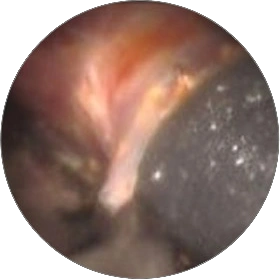
Capsulotomy
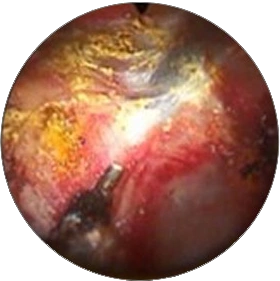
Complete Capsulectomy
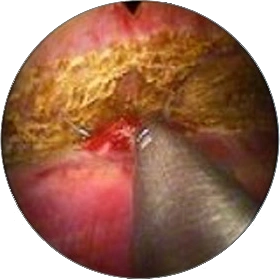
Capsule Suturing
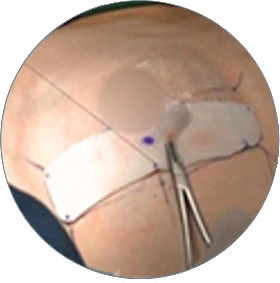
Acellular Dermal Matrix (ADM) Grafting
Advantages of Breast Revision Surgery Using 4K UHD Endoscopy
01
|
Revision surgery possible through the existing armpit incision
02
|
No concern about creating additional surgical scars
03
|
A highly praised surgical technique recognized by doctors worldwide
04
|
Precise surgery with fast recovery
05
|
A highly advanced procedure that requires experienced and skilled surgeons
JW BREAST SURGERY
The Story of Breast Surgery at JW Plastic Surgery
RECOMMEND
JW Plastic Surgery Clinic Recommended by Other Medical Professionals
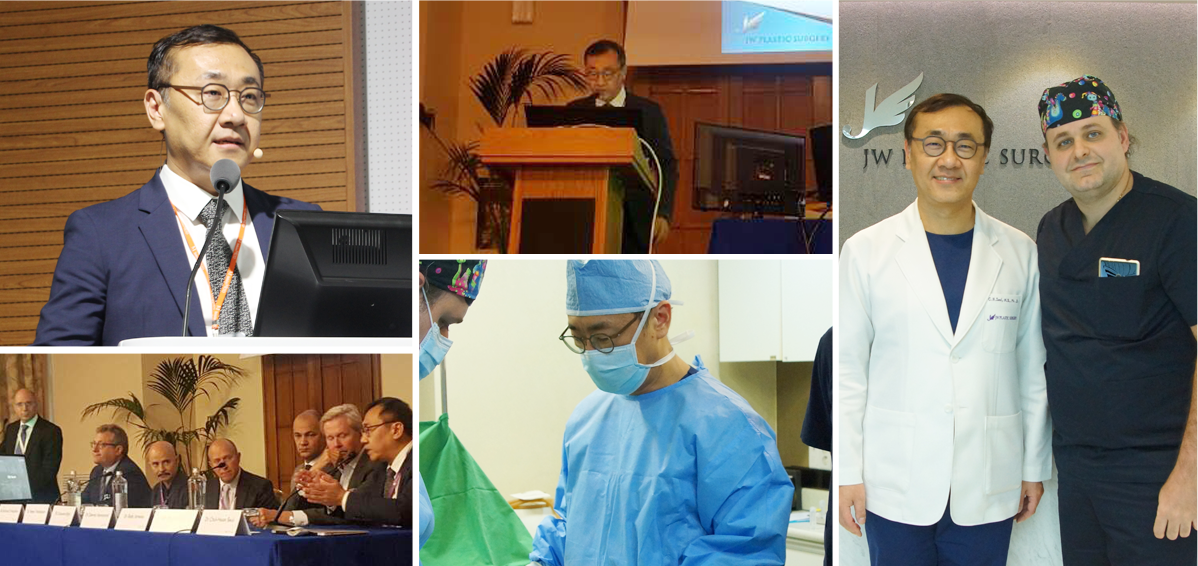
- Over 21 years of experience and expertise
- Continuous research in breast surgery through academic conferences and publications
- Authority in 4K UHD endoscopic breast surgery
- High percentage of revision surgery patients
- 1:1 personalized care system to prevent the need for secondary revision surgeries
ONE-STOP
ONE-STOP Preoperative Breast Surgery Examination
Preoperative tests to check the patient’s overall health condition (blood test, EKG, and chest X-ray) can be conveniently performed in-house without the need to visit an external clinic or hospital.
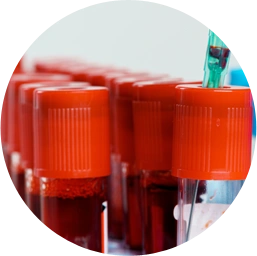
Blood test

Electrocardiogram (ECG)
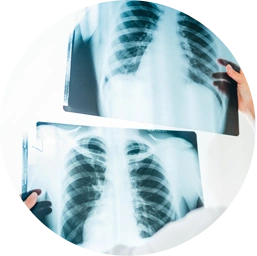
Chest X-ray
Divina™ Virtual Simulation
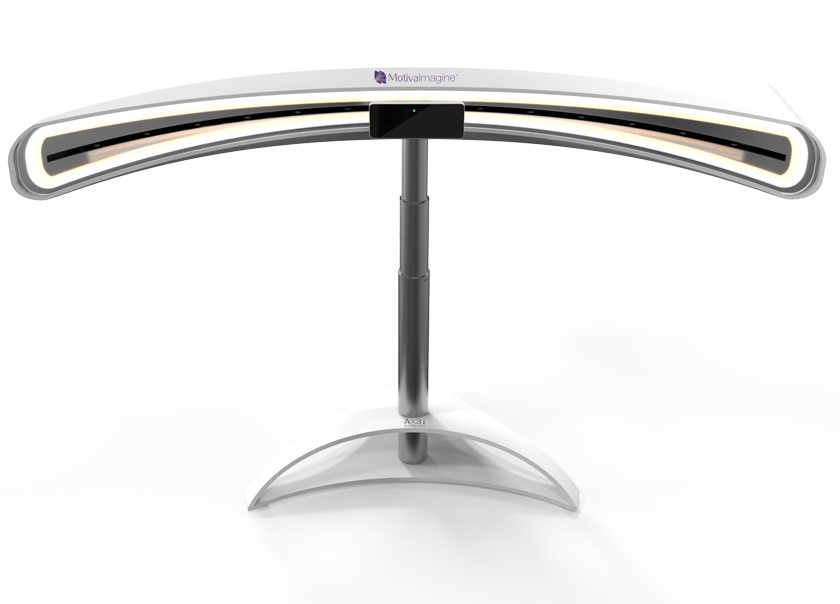
Breast Surgery
At JW Plastic Surgery, the accurate diagnosis and surgical outcome prediction are possible using a 3D body scanner.
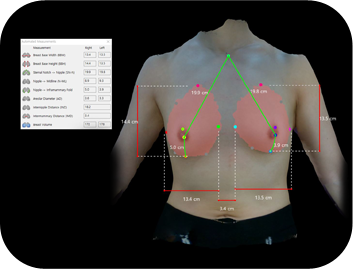
Accurate measurement of body dimensions
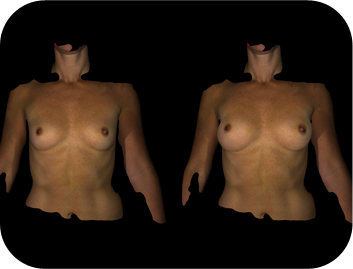
Detailed 3D image analysis for precise surgical planning
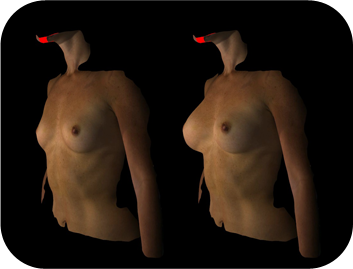
3D image visualization
Implant Simulation
This program allows patients to try on implants of various sizes for their body type
using specialized fitting garments, so they can get an idea of the breast size and shape prior to surgery.
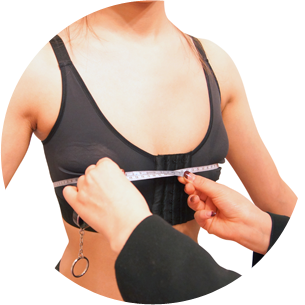
STEP 01
Accurate breast size measurement
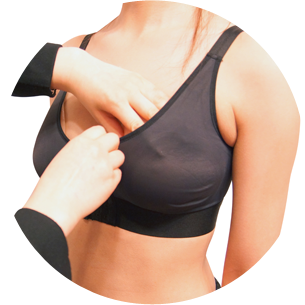
STEP 02
Implant fitting

STEP 03
Check breast fit and appearance
SYSTEM
Postoperative Breast Surgery Care System
The operating surgeon personally performs all treatments and monitors every stage of the recovery
Day 1 post-surgery
Checking the bleeding level and perform the first treatment
Day 2~3 post-surgery
Applying waterproof tape to the incision area (Full-body shower is allowed at this stage)
7 Days After Surgery
Removing all tapes, as there are no skin sutures, stitch removal is unnecessary
There is no scarring caused by stitches
1 Month Post-Surgery
Scar and whitening cream are prescribed
The patieny can wear a regular bra instead of a compression bra
(A regular bra that does not affect the recommended breast shape)
Every 3 Months
Regular follow-up checks for one year
After 1 Year
The checkups end, but follow-up consultations with your surgeon remain available for life.
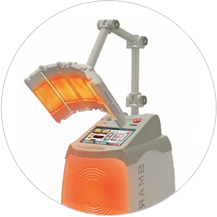
LED Light Therapy
Promotes blood circulation and romotes deswelling
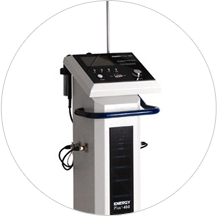
High-Frequency Thermal Therapy
Promotes blood circulation and reduces swelling
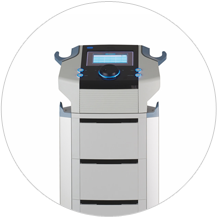
Capsulitis Treatment
Prevents capsular contracture, relieves swelling and pain
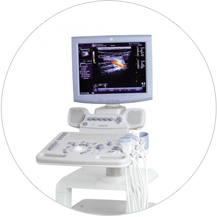
Breast Ultrasound
Implant check
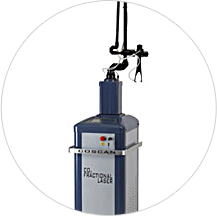
Hematoma Laser & Injection
Hematoma treatment
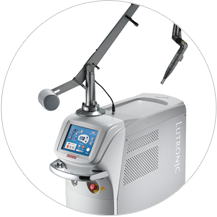
Scar Whitening Laser
Treats pigmentation caused by hematoma
SAFETY SYSTEM
Surgical Safety Management System
01
Thorough Sterilization and Infection Prevention System
Equipped with an air shower cubicle, sterilization and disinfection equipment, HEPA filters, and a laminar flow air purification system meeting high-risk surgery standards to prevent infection.
02
Minimizing capsular contracture through aseptic clean surgery
Continuous monitoring of the patient’s ECG, blood pressure, pulse, oxygen saturation, carbon dioxide levels, and body temperature throughout the procedure.
03
Real-time patient monitoring system during surgery
Equipped with an uninterrupted power supply and fire-resistant structure throughout the entire hospital building.
04
Emergency Response System
Fully equipped with defibrillators and emergency medical devices for immediate action if needed.
05
Wide Range of Clinically Proven Implants
Carries a variety of FDA- and CE-approved implants (such as Motiva, Mentor, Sebbin, and others), allowing a selection based on each patient’s anatomy and personal preference.
06
In-House board-certified anesthesiologist
Provides continuous care from the start of surgery until full recovery, with advanced safety equipment ready to handle any emergencies, and ensures effective postoperative pain management.

 English
  Chinese
  Russian
  Japanese